RC helicopter classes and sizes explained: 150 to 800
150, 450, 500, 700, 800 — RC helicopters are sized by class, and the number tells you the rotor size, the power, the skill needed and where you can fly. Here's the whole ladder.
RC helicopters are described by "class" — a number like 450, 500 or 700. It's one of the first things you'll see in any listing, and it tells you a lot: roughly how big the helicopter is, how much power it carries, how much skill it needs, and crucially, where you're allowed to fly it. Here's the whole ladder, from palm-sized to nearly a metre of rotor.
Where the numbers come from
The class number is loosely tied to the main-blade length in millimetres and the size of the whole machine. It isn't a precise standard, but it's consistent enough to compare helicopters at a glance. Bigger number means bigger rotor, more mass, more power, more presence in the air — and more room and skill required.
150–200 class: indoor and back-garden
The smallest practical helicopters. A 150 is palm-sized and happiest indoors; a 200 is a small outdoor machine for calm conditions. They run small batteries, cost the least, and are the sensible place to learn to hover without much to lose. If you're starting out, this is your territory — see our best under £150 shortlist and the indoor vs outdoor guide.
450 class: the sport and entry-scale size
The 450 is the classic all-rounder — big enough to fly steadily outdoors and handle a bit of wind, small enough for a large garden or a quiet field. It's the traditional entry to collective-pitch flying and to sport aerobatics. The Flywing FW450L-V3 sits here, and so do the smaller Roban 450 RTF scale ships.
500 class: the scale sweet spot
The 500 is where affordable scale flying really lives. Big enough to look and fly like a real aircraft, still manageable on cost and transport. This is the home of the FLISHRC FL500 V2 range — the EC135, Cobra, BlackHawk and the rest. For most people, 500-size scale is the target to work toward.
550–700 class: big scale and serious 3D
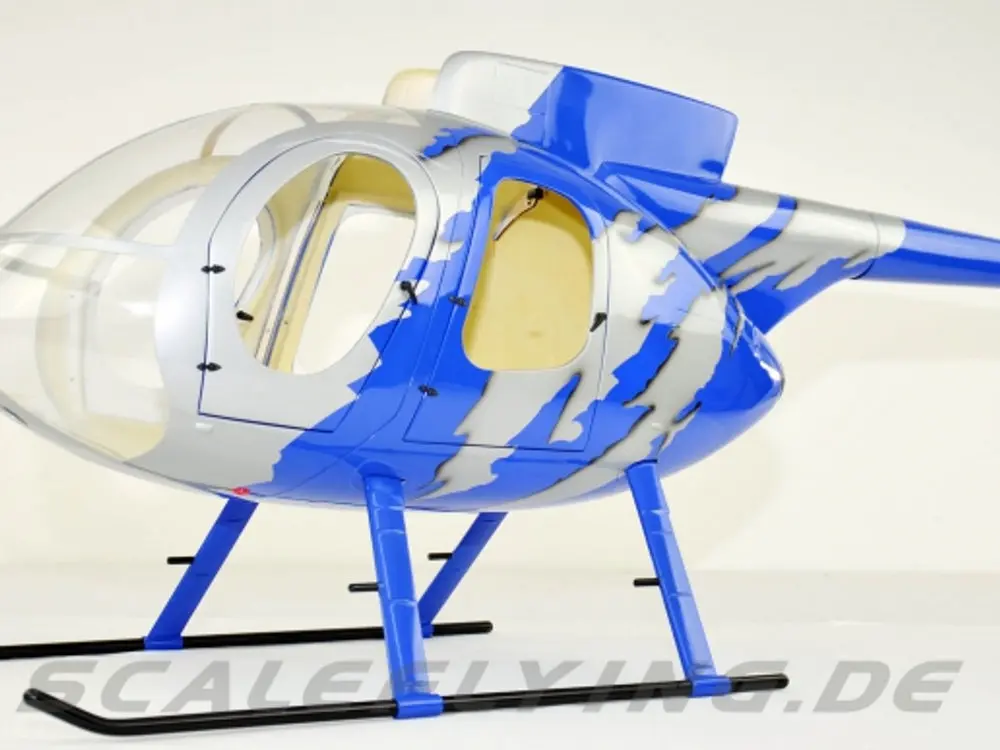
At 550 to 700 you're into large machines — serious 3D aerobatic helicopters and the smaller end of premium scale. The Roban 700 ARF kits, like the MD500E, live here. These demand real skill, real space and, being ARF, your own electronics.
800 class: the biggest scale ships
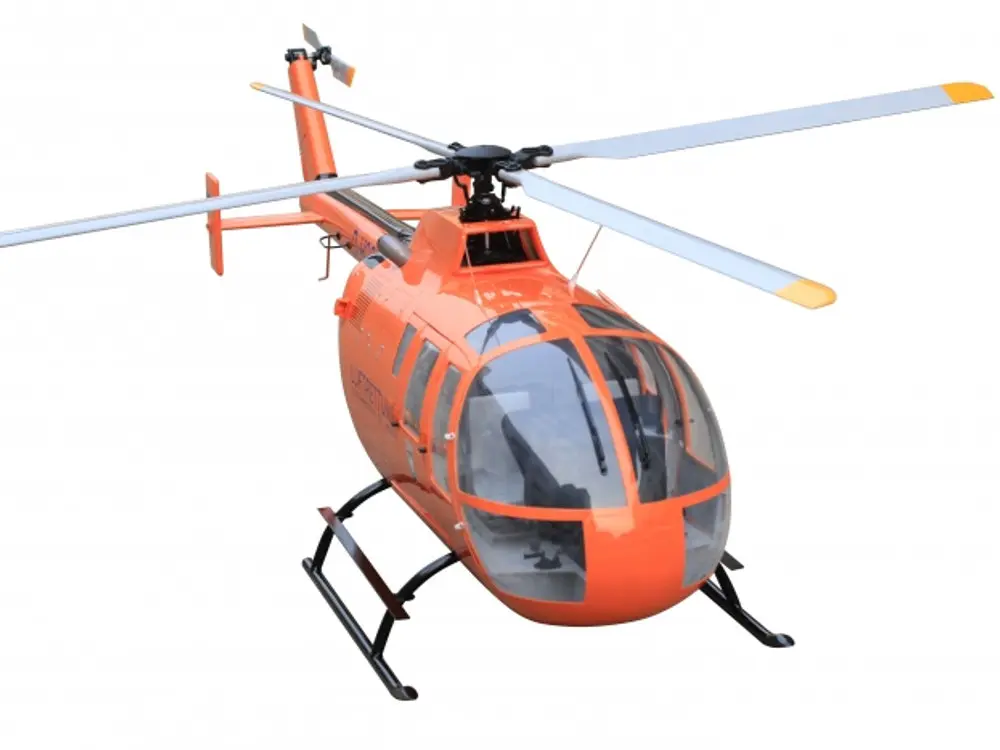
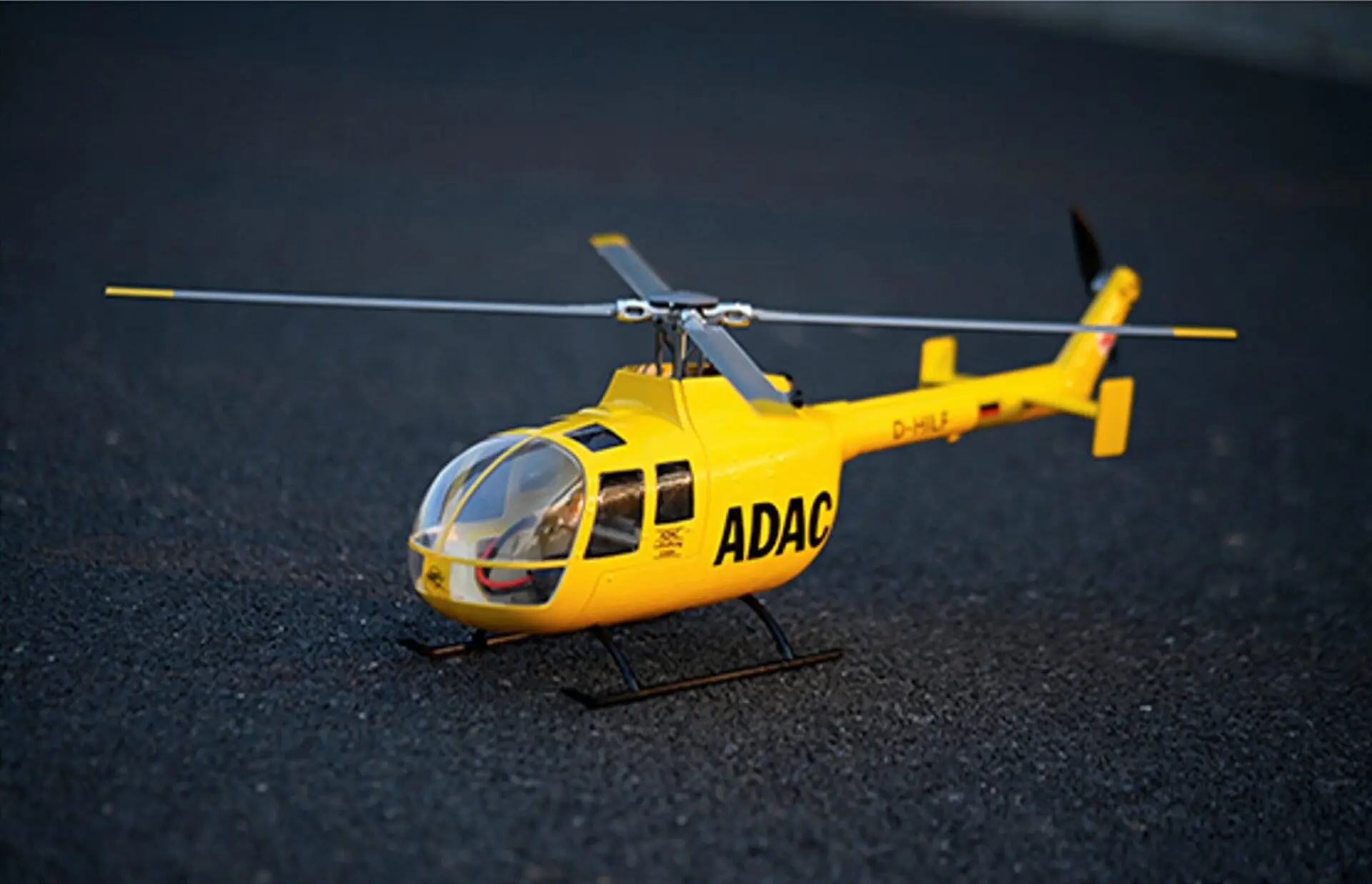
The 800 class is as large as most pilots go without moving to full turbine power — near-metre rotors and imposing scale presence. The Roban 800 ARF range, such as the BO-105 800, is the definitive example. Magnificent, expensive, and firmly for experienced pilots at a proper club field.
What the class means for you
- Skill: the bigger the class, the more it demands and the more it costs to crash. Learn low on the ladder.
- Where you can fly: 150s go indoors; a 450 suits a large field; a 700 or 800 is club-only, and you'll want BMFA membership and a proper site — see where to fly.
- Cost: climbs steeply with size, in both purchase and running.
The takeaway
Start small to learn, then choose your class by what you actually want to do: 450 for sport and entry scale, 500 for the affordable-scale sweet spot, 700–800 when you want the biggest ships and have the skill and space for them. For the scale side specifically, our scale buyer's guide takes it from here.
Featured in this article
All helicopters →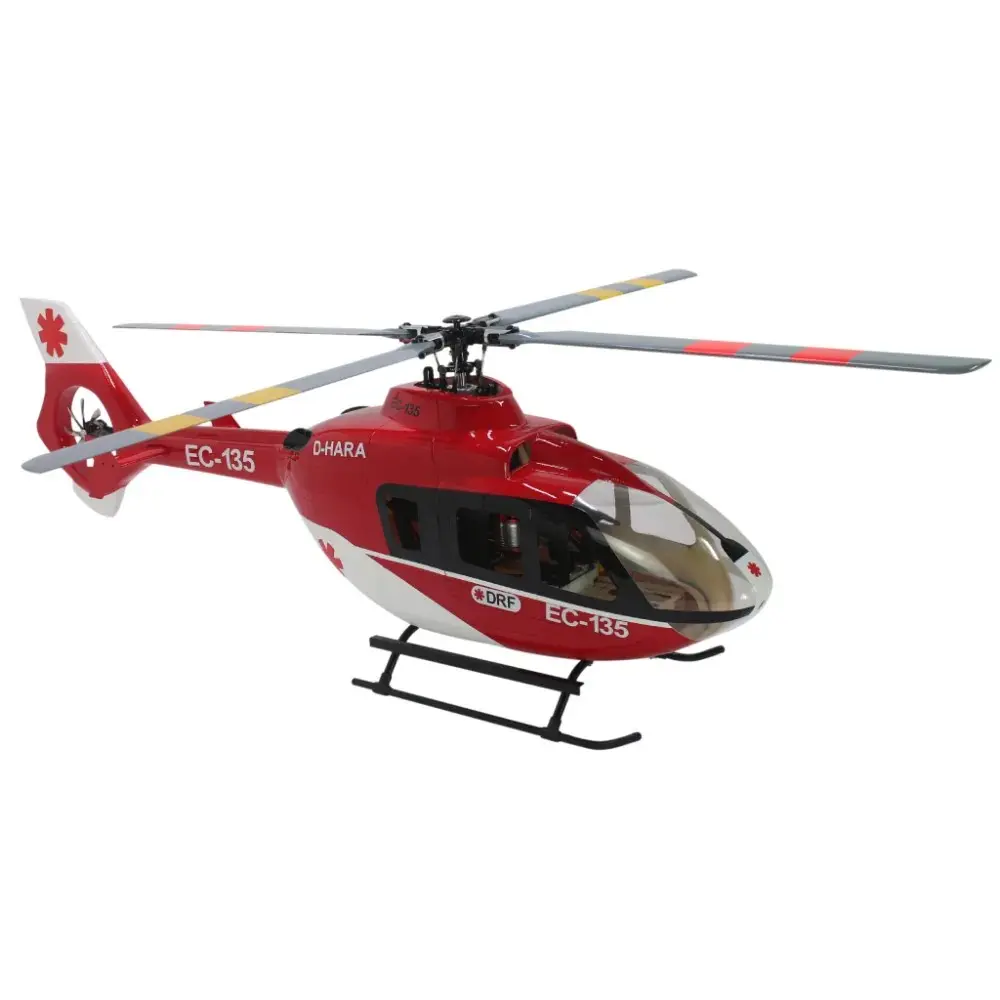
Keep reading · Beginners
How to fly an RC helicopter: your first hover, step by step
Sticks, trims, throttle hold, the tail-in hover. The exact sequence that gets a total beginner off the ground safely — and the three mistakes that break blades in the first session.
RC helicopter vs drone: which should you actually buy?
One hovers itself and shoots 4K video; the other demands months of practice and rewards it forever. An honest comparison of what each is really for — and which suits you.
PNF, BNF, RTF, ARF: what RC helicopter acronyms actually mean
Four three-letter labels decide what comes in the box, what you need to buy separately, and whether you can fly tonight or next month. Here is what each one really means.