
PNF, BNF, RTF, ARF: what RC helicopter acronyms actually mean
Four three-letter labels decide what comes in the box, what you need to buy separately, and whether you can fly tonight or next month. Here is what each one really means.
- Section
- Beginners
- Published
- 2026-05-20
- Read time
- 6 min
The single most confusing thing about buying your first RC helicopter is not the helicopter itself. It is the four-letter acronym next to the price. RTF, BNF, PNF, ARF — they look almost identical, they cost wildly different amounts for what looks like the same model, and getting it wrong means opening the box at home and discovering you cannot fly tonight because you do not own the bit you needed to buy separately. Here is what each one means, in the order you are most likely to want them.
RTF — Ready To Fly
Everything in the box. Open it, charge it, fly it.
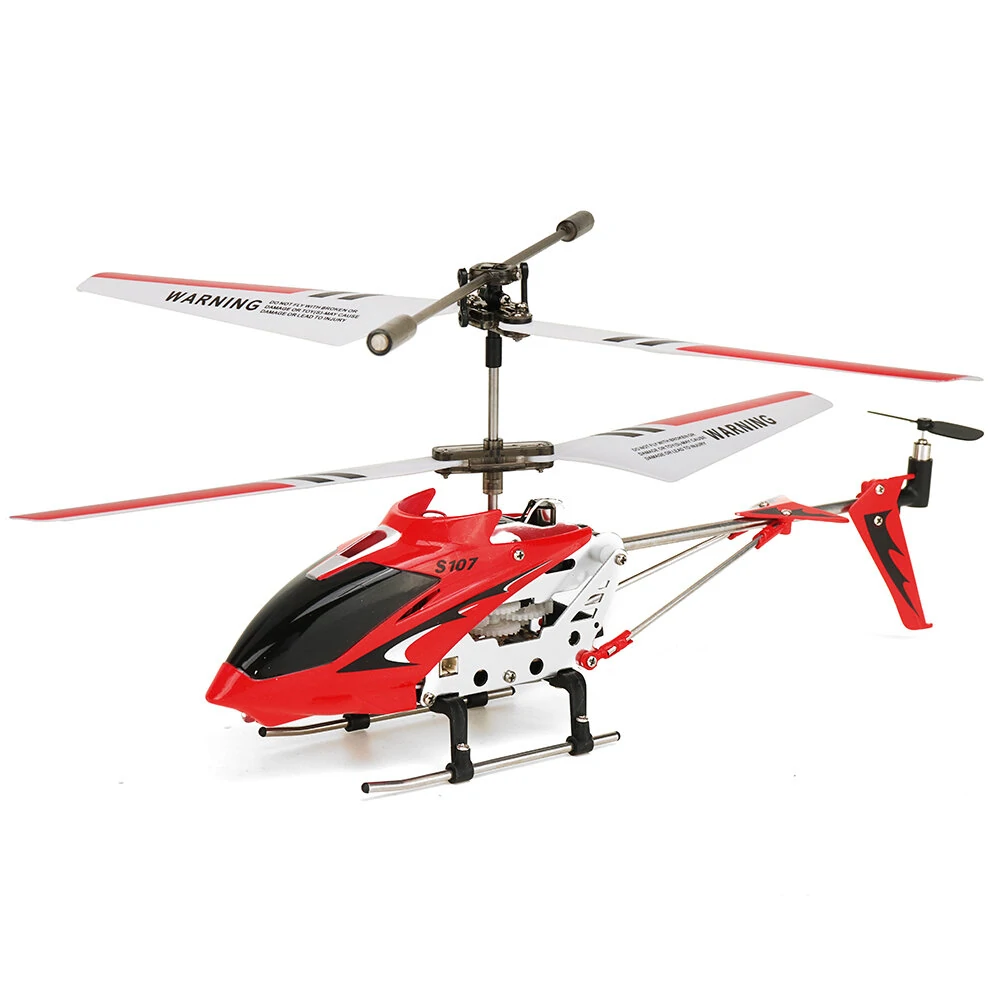
An RTF helicopter ships with the aircraft pre-assembled, the transmitter included, a charger included, and at least one battery. You unpack it, plug the battery into the charger, bind the transmitter (often pre-bound at the factory), and fly.
RTF is the right choice if:
- This is your first helicopter
- You do not already own a transmitter
- You want to be flying within an hour of the box arriving
The downside is cost-per-component. The included transmitter is usually basic — a 4 or 6-channel toy-grade radio with limited adjustability. The included charger is usually a slow AC charger that will not charge fast and will not charge other-brand batteries. For a beginner's first month this does not matter. For a second helicopter it might.
BNF — Bind-And-Fly
Aircraft is complete and bound-ready. You supply the transmitter.
A BNF helicopter ships with the aircraft fully assembled, motor and ESC fitted, servos installed, receiver fitted, and the flight controller pre-programmed. The transmitter is not included. You bind your existing transmitter to the on-board receiver and fly.
BNF is the right choice if:
- You already own a compatible transmitter
- You want a higher-quality aircraft without paying for a duplicate radio
- You are building a fleet and want to standardise on one transmitter
The catch is receiver compatibility. A BNF advertised as "Spektrum-compatible" needs a Spektrum DSMX transmitter. A FrSky BNF needs a FrSky transmitter or an external FrSky module. Always check the receiver protocol before you buy — a Spektrum BNF is not bindable to a FrSky radio without third-party hardware.
PNF — Plug-And-Fly
Aircraft is built but ungenerous. You supply transmitter AND receiver AND battery.
A PNF helicopter ships with the airframe assembled, motor and ESC fitted, servos installed, and the flight controller installed and pre-programmed for the airframe. It does not include a receiver, a transmitter, or a battery. You install your chosen receiver, bind it, plug in a battery, and fly.
PNF is the right choice if:
- You already own a transmitter and matching receivers
- You want freedom to choose any receiver brand
- You want to save 10–20% on the cost of a BNF
The advantage over BNF is flexibility — you are not locked into the manufacturer's chosen receiver brand. The disadvantage is that you need to know what receiver you are installing and how to wire it to the flight controller. Not difficult, but not zero-experience either.
ARF — Almost Ready to Fly
Mostly-built airframe. You install the electronics yourself.
An ARF helicopter ships with the major mechanical assembly complete — main frame, rotor head, tail boom, belt or shaft drive — but with no electronics fitted. You install the motor, ESC, servos, receiver, and battery yourself. You also do all the wiring, mounting, and initial flight-controller configuration.
ARF is the right choice if:
- You have built helicopters before
- You want full control over every component choice
- You enjoy the building side of the hobby
For a first helicopter, ARF is the wrong answer. The number of decisions to make is high, the consequences of a bad decision are expensive, and there is no first-flight support from the manufacturer because they did not build the aircraft you ended up with.
A few cousins worth knowing
A handful of other acronyms appear less commonly but still trip people up.
KIT — like ARF but with the airframe also unbuilt. Days of construction before the first flight. Niche, hobbyist-end-of-the-market only.
TX-R (Tx-Ready) — Hangar 9's branding for what most other manufacturers call BNF. Same concept, different label.
RxR — Receiver-Ready. Essentially the same as PNF — you supply your own receiver, battery and transmitter.
Combo — usually means an RTF bundle with extras: spare battery, blade set, training gear. Watch the price difference against straight RTF to see whether the included extras are worth it.
The decision matrix in one paragraph
If you do not own a transmitter, buy RTF. If you own a transmitter and a compatible receiver brand, buy BNF. If you own a transmitter but want freedom of receiver choice, buy PNF. If you have built helicopters before and want to source every component yourself, buy ARF. The same airframe is often available in three or four of these configurations at different price points — paying for an RTF when you already own a £400 transmitter is wasteful, and buying a PNF without realising you needed to budget for a receiver is annoying. Get the right one first time and the helicopter arrives, the battery charges, and you fly.
Kit to build what you just read

More beginners
RC helicopter classes and sizes explained: 150 to 800
150, 450, 500, 700, 800 — RC helicopters are sized by class, and the number tells you the rotor size, the power, the skill needed and where you can fly. Here's the whole ladder.
8 min readHow to fly an RC helicopter: your first hover, step by step
Sticks, trims, throttle hold, the tail-in hover. The exact sequence that gets a total beginner off the ground safely — and the three mistakes that break blades in the first session.
9 min readRC helicopter vs drone: which should you actually buy?
One hovers itself and shoots 4K video; the other demands months of practice and rewards it forever. An honest comparison of what each is really for — and which suits you.
8 min read