The state of UK RC helicopter clubs in 2026
Membership is up, scale flying is back, and the £30 club fee is the best-value access to a runway in the country. Where the UK heli scene actually sits.
- Section
- Scene
- Published
- 2026-05-01
- Read time
- 8 min
There is a thing that happens to every long-running hobby every fifteen years or so. The first generation of practitioners ages out, the gear gets cheaper, a new technology resets the entry barrier, and a wave of new pilots arrives expecting things to be different from how they were. UK RC helicopter flying is in the middle of one of those waves right now, and it is changing the clubs more than the clubs are changing the hobby.
The headline: membership is up
After a long decline through the 2010s — paralleled by a similar decline in fixed-wing club membership — UK RC helicopter participation began climbing again around 2022 and has continued through to 2026. The drivers are not mysterious:
- GPS-stabilised flight controllers made collective-pitch helicopters flyable by lower-time pilots. The Goosky S1 and the OMP M2 Explorer arrived in the same eighteen-month window and both did to RC helis what self-levelling did to FPV quadcopters
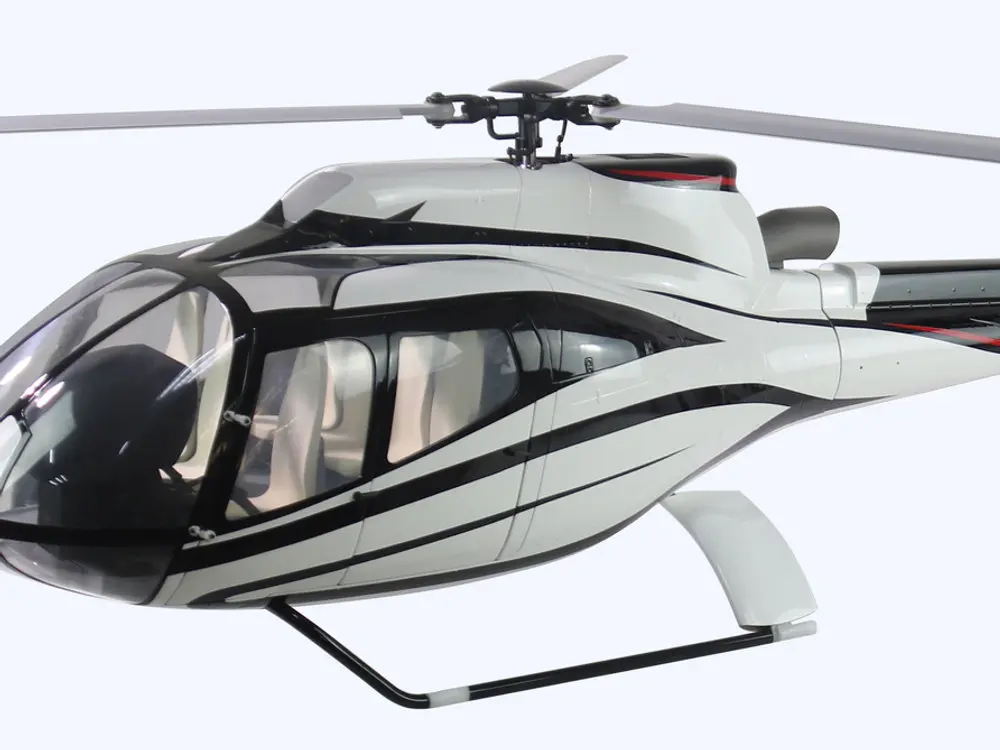
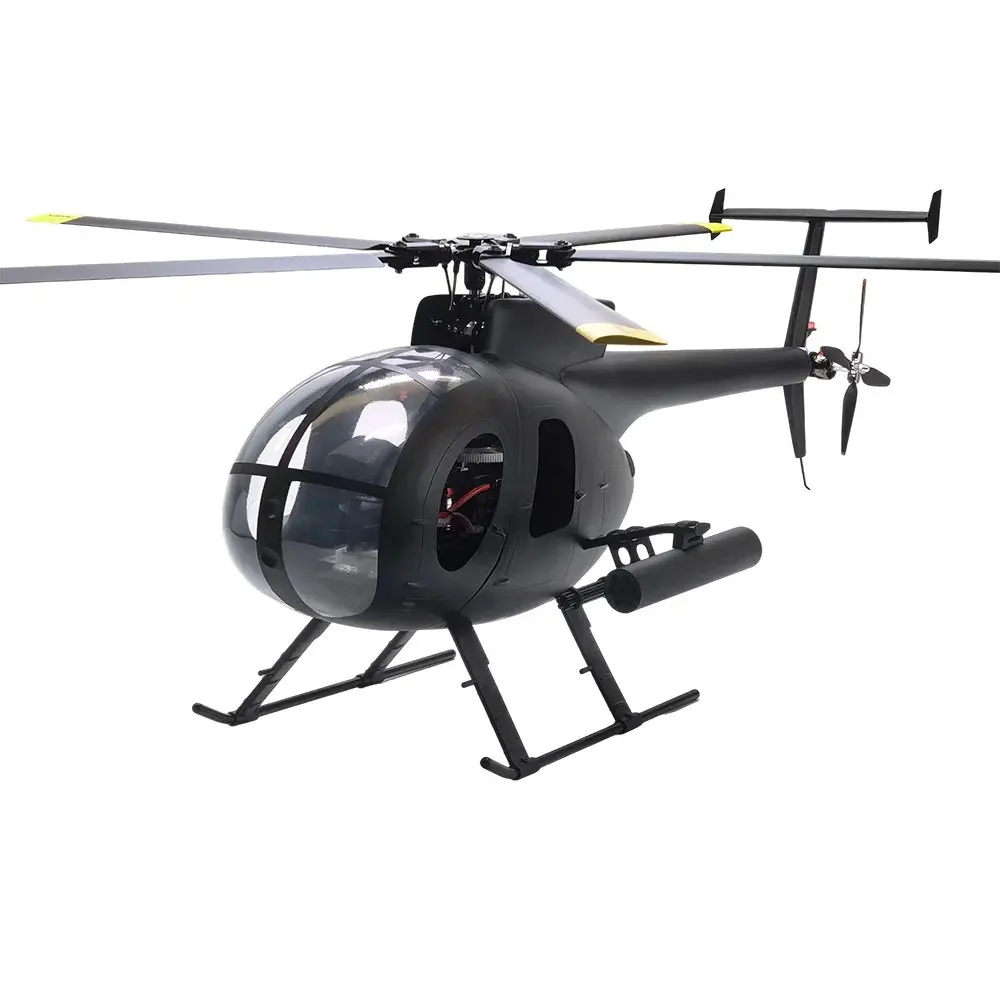
- Scale platforms became affordable. Five years ago, a 500-class fibreglass scale helicopter was a kit-built project costing £2,500 minimum. Today FLISHRC's RTF range starts at £1,200 with a UK distributor holding stock
- Drones disillusioned some pilots back to helis. A meaningful number of new club members in 2025 and 2026 were FPV pilots who wanted something more analogue, more skill-rewarding, and more visually satisfying than a 5-inch quad
The combined effect: BMFA helicopter-discipline membership grew by an estimated 18% between 2022 and 2025. That is the first sustained increase in twenty years.
What clubs actually look like in 2026
A typical UK RC helicopter club in 2026 has 40–80 active members, of which 15–30 will be regular heli pilots. The mix is usually:
- A handful of long-timers flying 700-class 3D nitro machines they bought in 2005 and refused to retire
- A larger group on modern 550-class electric collective pitch — Align T-REX 550s, Goosky S2s, OMP M4s
- A growing scale contingent flying 500-class fibreglass aircraft
- New beginners learning on a coaxial in the indoor hall before progressing outdoors
The clubhouse and the field have changed less than the aircraft on them. A typical site is a leased farm field with a mown grass runway, a wooden clubhouse with a charging area and a wall-mounted A4 flight-line procedure, a windsock, and a frequency board that nobody uses any more because everyone is on 2.4GHz.
The regional picture
Heli clubs are not evenly distributed across the UK. Three broad patterns:
South East and East Anglia have the highest concentration — a function of population density, available farmland for clubs, and proximity to BMFA Buckminster which acts as a regional hub. Most counties in the South East have at least one heli-strong club within a 30-minute drive.
North West and West Midlands are the heartland of the older scale-flying scene. Clubs in these regions tend to skew older, more nitro-focused, and more competition-oriented. The annual Sandown Park show — though held in Surrey — draws heavily from these regions.
Scotland, Wales and the South West have fewer dedicated heli clubs but most fixed-wing clubs welcome heli pilots, and the lower population density means more flexible site permissions. Drive a little further, find a smaller and friendlier club.
You can see the geographic spread in our clubs directory, which lists every active UK club organised by country.
Where the scene is going
A few trends worth noting.
Indoor flying is having a moment. The combination of cheap sub-100g coaxials, large affordable LED-lit indoor venues, and Sunday-morning slots in sports halls has produced a small renaissance of indoor heli meets. Several clubs now run dedicated indoor sessions during winter.
Scale and semi-scale events are growing. The British Scale Helicopter Association — small but active — has run dedicated scale fly-ins at four venues in 2025 and is on track for six in 2026. These are not competition events in the conventional sense; they are essentially scale-only display days, often filmed for the clubs' YouTube channels.
Nitro is fading slowly but not disappearing. The combination of fuel costs, environmental concerns and the sheer practical convenience of electric power has pushed almost all new pilots towards LiPo. Existing nitro 700s are still flown regularly but very few people are buying new ones.
FPV-style heli flying has not taken off in the UK. Unlike in the US, where bonded-pilot view RC heli has a small but growing community, UK clubs and BMFA Article 16 have not embraced first-person view as a heli discipline. This may change but currently is not changing.
Joining a club is easier than ever
If you are reading this because you bought a helicopter and do not know what to do next, the answer is the same as it has always been: find a club, turn up, ask questions. The newer the pilot you are, the warmer the welcome you will get — clubs need new members, and a beginner with a fresh interest is much more valuable to a club's long-term health than another long-timer with a third T-REX 700.
The annual fee at a typical UK heli club in 2026 is £30–£80. For that you get unrestricted access to a flying site, a charging area, a clubhouse, weekly social flying and access to instructors. It is the best value in the hobby.
What to expect at your first visit
A few things experienced pilots wish someone had told them:
- Turn up before the club's stated opening time so you can meet the people running the session
- Bring the helicopter unbuilt or in its case, not already powered up
- Show your BMFA card unprompted — saves an awkward question
- Ask an experienced pilot to look over your setup before you start the rotors
- Do not bring a 700-class helicopter as your first machine. Bring a coaxial or a small collective pitch you have already learned to hover. The club is not the place for first-flight learning on a serious machine
Do these things and you will be welcomed. Most UK clubs have a member who specifically enjoys mentoring newcomers and will spend an hour with you on a first visit just for the satisfaction of seeing the hobby pass to a new generation.
Membership is up. The scene is healthier than it has been in a long time. Find your nearest club and join it.
Kit to build what you just read
More scene
Scale RC helicopters: a UK buyer's guide
Fibreglass fuselages, GPS-stabilised heads, £1,400 price tags. The UK scale-helicopter scene quietly grew up — here is how to pick one that doesn't disappoint.
11 min readWhere to fly an RC helicopter in the UK
Garden, park, club field, BMFA-affiliated site — what is legal, what is sensible, and what to do before you take the rotors out of the box.
9 min readBMFA membership: what it is, what it costs, why you need it
Insurance, Article 16 authorisation, club access, training. Why the £40 annual fee is the single best money you will spend on the hobby.
7 min read